
A single soccer field lit for night play can draw more power than a row of houses. The tall poles ringing Hoopili Soccer Park in Ewa Beach are not just holding lamps in the air; they are the visible end of a wiring, control, and safety system that has to perform reliably every evening a match or practice runs late. Understanding what sits behind those lights explains a lot about the kind of electrical work public recreation demands.
Field Lighting Basics
Sports field lighting is a specialized category, distinct from the fixtures on a street or inside a building. The goal is even, glare-controlled illumination across a large playing surface, bright enough that players can track a fast-moving ball and referees can make accurate calls. That usually means high-output fixtures mounted on poles thirty to eighty feet tall, aimed carefully so the light lands on the field and not in a neighbor’s window.
Most newer installations use LED arrays, which have largely replaced the older metal-halide lamps. LEDs turn on instantly, dim on command, and consume far less energy for the same light output. They also allow zoning, so one section of a complex can be lit for a single game while the rest stays dark. Behind each pole is a network of feeders, disconnects, and control gear that has to survive years of coastal weather, salt air, and the occasional tropical storm that rolls through this part of Oahu.
Powering Public Venues
Delivering that much light means delivering that much power, and a venue like a soccer park is treated more like a small commercial site than a residential one. The service entrance is sized for the combined load of the field lights, restrooms, concession areas, parking-lot lighting, and any scoreboard or public-address equipment. Panels, transformers, and grounding all have to be rated for the peak demand, and the whole system has to meet code requirements written specifically for places where the public gathers.
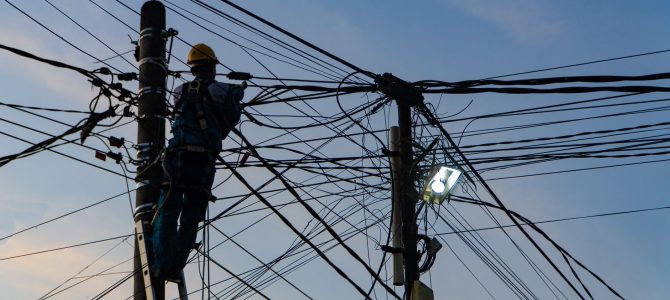
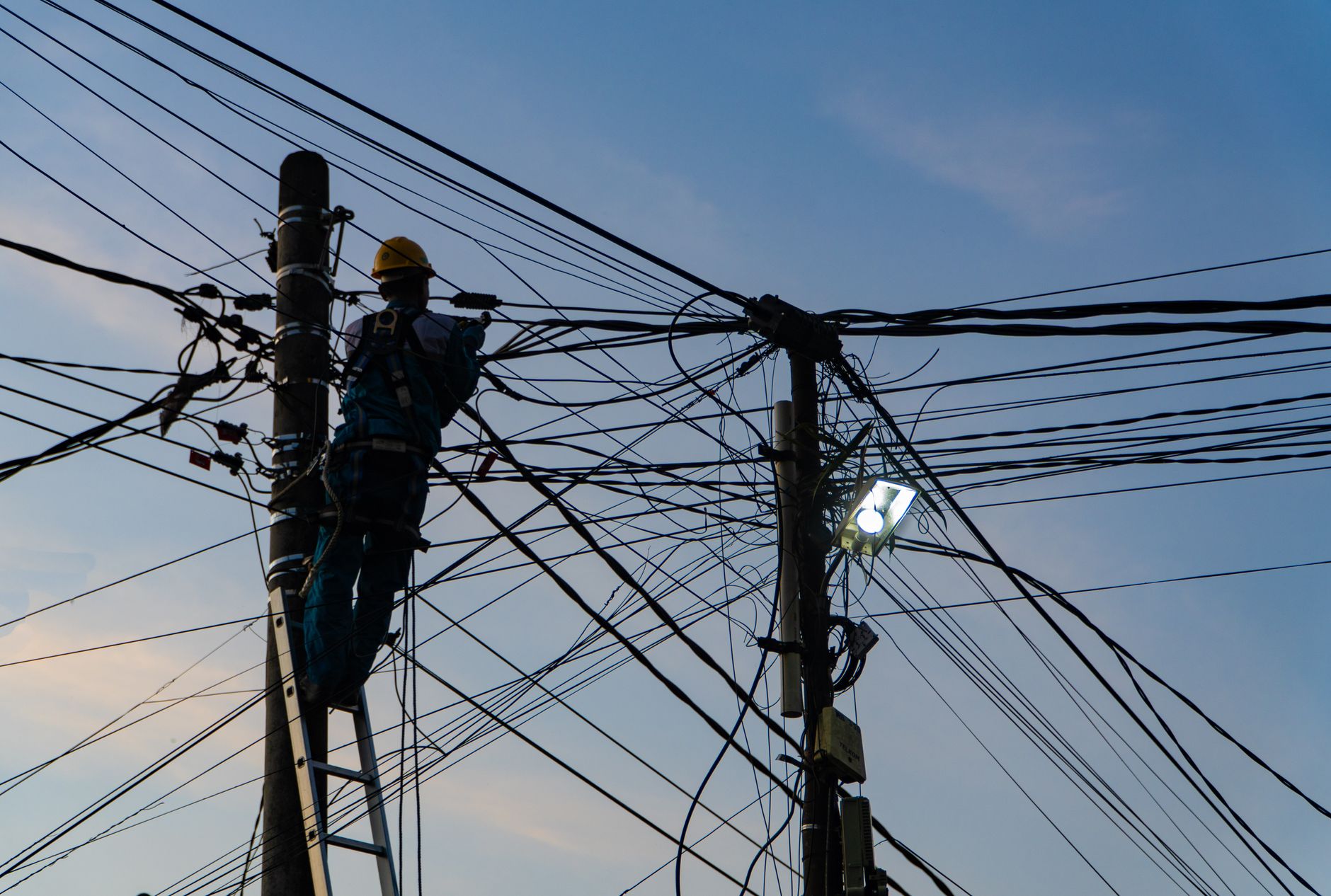
Safety is where public venues differ most from a private job. Grounding and bonding on tall metal poles is not optional; it protects players and spectators from fault currents and helps manage lightning risk in an open field. Timers and photocells keep lights from burning all night and wasting energy, while contactors and control panels let staff run the site without climbing to each fixture. When something on a system this size needs repair or upgrading, the work is best handled by contractors familiar with commercial and municipal standards, which is why teams such as True Power Electrical Services tend to be the ones called for larger outdoor installations in the Ewa Beach area. Getting the load calculations, conduit runs, and protective devices right the first time saves a venue from repeated outages during peak season.
There is also the matter of maintenance access. Fixtures fail, drivers wear out, and lenses cloud over time. A well-designed field-lighting system plans for that, with fixtures that can be serviced safely and controls that make it easy to isolate a single pole without shutting down the entire park.
Finding Local Expertise
What all of this means for electrical work in Ewa Beach is that a growing community brings growing demand for specialized skills. As neighborhoods like Hoopili expand and add parks, schools, and gathering spaces, the local trade has to cover more than home rewiring and panel swaps. Field lighting, parking-lot circuits, and public-venue power draw on commercial experience, and homeowners often benefit from that same expertise when they need something beyond a basic repair.
For anyone hiring an electrician, the practical lesson is to match the contractor to the job. A firm that regularly works on outdoor and commercial systems will understand grounding, weatherproofing, and code compliance in ways that matter for larger installations. If you have a project on the horizon, start by asking prospective electricians whether they have handled work at this scale and requesting examples before you commit.