

Two identical brick ranches sit a few streets apart in Warner Robins. Same square footage, same year built, same school zone. One sells in eleven days at asking; the other lingers for two months and closes after a $6,000 price cut. The difference wasn’t the kitchen or the yard. It was the roof, and specifically the line in the inspection report that spooked the second home’s buyer into renegotiating.
Sellers rarely think about the roof until it becomes a bargaining chip. But in a market where buyers are cautious and appraisers are conservative, the condition of what’s overhead can quietly move thousands of dollars in either direction. Here’s how the math actually works when you’re preparing to list.
What Appraisers and Buyers Actually Look for in a Roof
An appraiser isn’t grading your shingles on curb appeal. They’re assessing remaining useful life and whether the roof meets lender requirements. A roof with visible curling, missing shingles, or active leaks can trigger a “subject to repair” appraisal, meaning the loan won’t close until the issues are fixed. That gives the buyer leverage and can stall your sale entirely.
Buyers, meanwhile, tend to react emotionally to a roof. When they see staining on a ceiling or read “roof near end of life” in an inspection, they don’t estimate the repair at its true cost. They imagine the worst and negotiate accordingly. A roof that reads as “handled” removes a whole category of anxiety from the transaction.
Return-on-Investment Data for Roof Replacements in the Middle Georgia Market
Nationally, roof replacements typically recover a large share of their cost at resale, and in some analyses exterior replacement projects rank among the better returns compared with interior remodels. In the Middle Georgia market, the value shows up less as a premium above comparable homes and more as protection against reductions. A fresh roof rarely lets you list far above the neighborhood ceiling, but it keeps you from selling below it.
Think of it in two buckets. The first is the avoided concession: the $5,000 to $10,000 credit a buyer would otherwise demand. The second is speed. Homes that appraise cleanly and inspect well close faster, and fewer days on market means fewer carrying costs and less pressure to accept a lowball offer. Both buckets favor addressing a tired roof before you list rather than after an offer arrives.
How Roof Age and Condition Shape Your Listing Price
Age is the number everyone asks about. A standard asphalt shingle roof is often expected to last around 20 to 25 years in this climate, though Georgia heat, humidity, and summer storms can shorten that. Once a roof crosses the 15-year mark, buyers start mentally setting aside money for replacement, and that reservation comes straight out of your price.
Condition can override age in both directions. A well-maintained 12-year-old roof with clean flashing and no soft spots reassures buyers, while a poorly ventilated 8-year-old roof with granule loss raises red flags. A pre-listing inspection from a contractor such as Ridgeback Roofing gives you an honest read on where your roof falls, so you can price with facts instead of guessing at what a buyer’s inspector will find.
Timing a Replacement Before You List: What Ridgeback Roofing Recommends
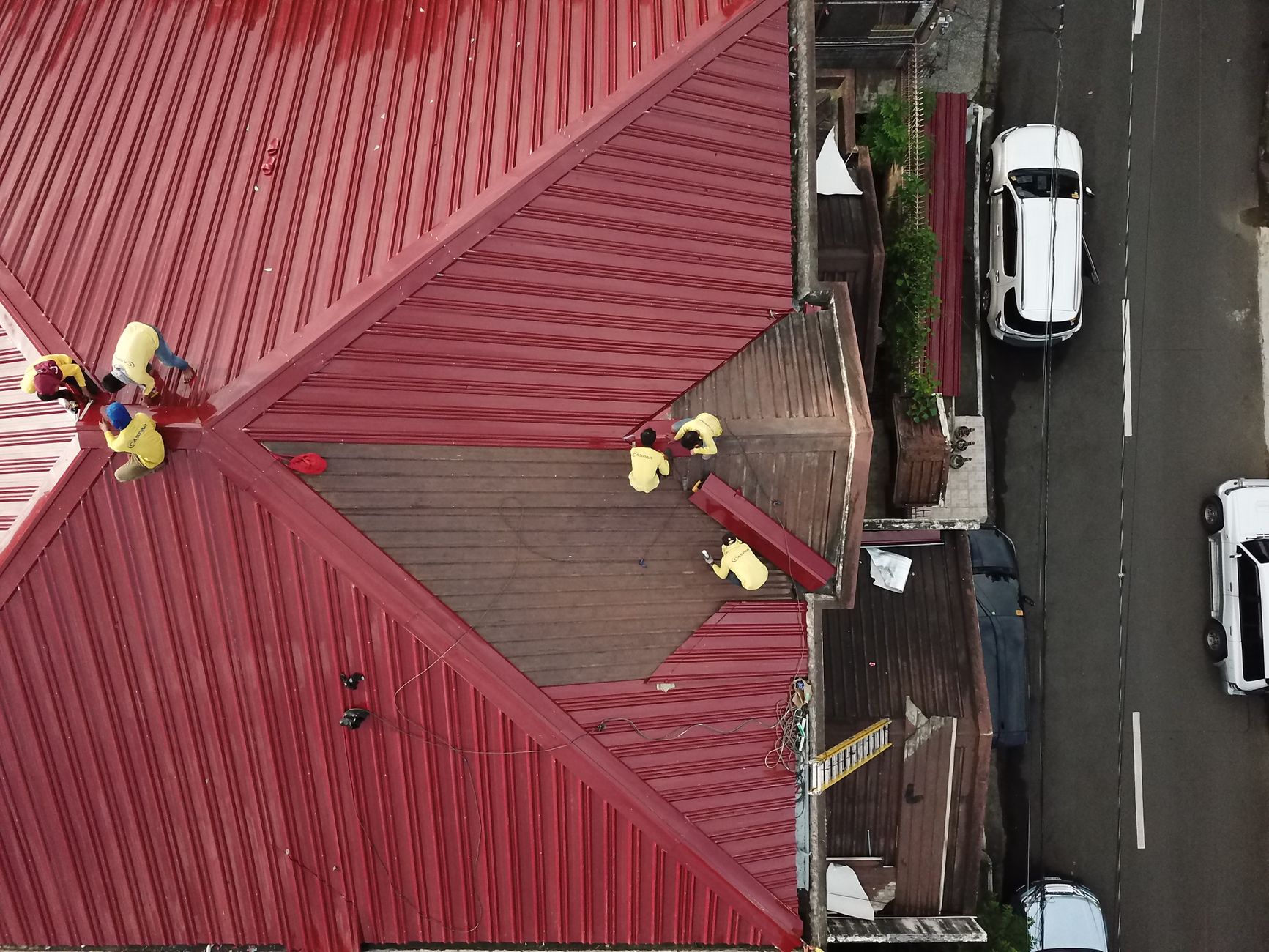
If replacement is the right call, doing it before listing usually beats offering a credit later. A completed roof becomes a marketing headline and a photograph, not a deduction. It also lets you choose the materials and the contractor rather than settling for whatever a rushed post-offer repair allows.
Timing matters seasonally too. Scheduling ahead of peak storm season and before you put the sign in the yard avoids the scramble that happens when everyone in the county is calling after a hailstorm. Build in a few weeks of lead time so the work is finished, inspected, and photographed before your first showing.
Documentation and Warranties That Boost Buyer Confidence
Paperwork closes deals. Keep the invoice, the permit, the manufacturer’s material warranty, and any workmanship warranty in a folder you can hand to buyers. A transferable 10-year workmanship warranty is a genuine selling point because it tells the next owner they’re inheriting protection, not risk.
Photos of the underlayment, ventilation, and flashing during installation add credibility that a simple “new roof” claim in a listing can’t match. When documentation answers questions before an inspector raises them, negotiations stay calm and your price holds.
So does a new roof pay for itself? Not always as a dollar-for-dollar premium, but often as insurance against the concessions and delays that erode your bottom line. For many Warner Robins sellers, replacing a worn roof before listing is the difference between selling on your terms and selling on the buyer’s.